Most UK startups building SaaS or handling sensitive data don't realise SOC 2 is becoming non-negotiable for US clients. Expecting to win a Series A or land a B2B contract without it in 2026 is a gamble many can't afford to lose. The reality is, achieving SOC 2 compliance from day one isn't just about ticking boxes; it's a fundamental part of building trust and unlocking market access. This isn't about creating perfect code; it's about a system of controls around your entire development lifecycle.
What Exactly is SOC 2?
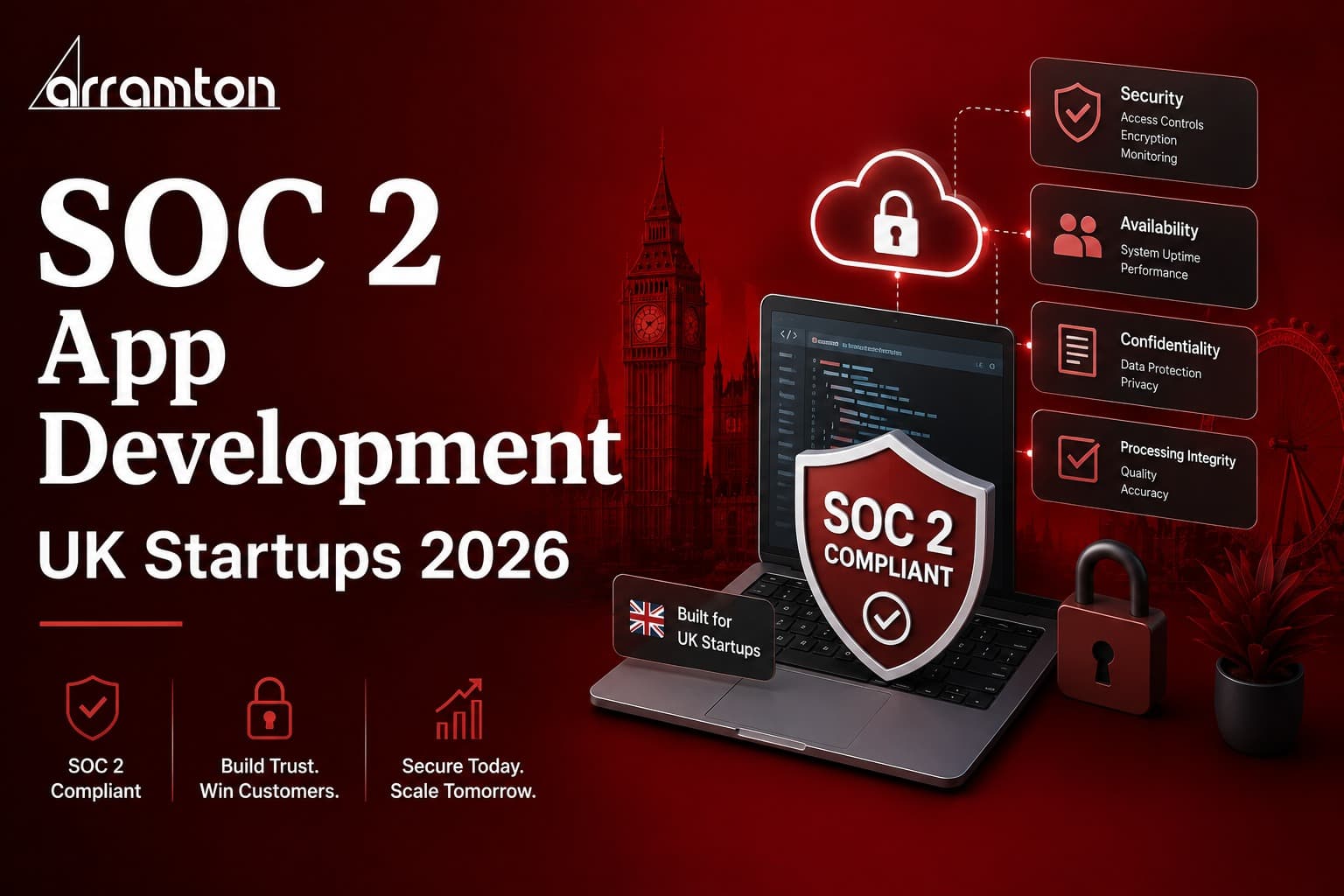
SOC 2, developed by the American Institute of CPAs (AICPA), is a framework for managing customer data based on five 'Trust Services Criteria': Security, Availability, Processing Integrity, Confidentiality, and Privacy. It's a rigorous auditing process that proves your organisation's systems are designed to protect sensitive information. For software companies, particularly those aiming for US clients or operating in regulated industries, this isn't a 'nice-to-have'; it's becoming a de facto standard for doing business. Think of it as a global seal of approval for your data security practices.
Why Your UK Startup Needs SOC 2 Compliance
Many UK founders focus on product-market fit and rapid scaling, often viewing security compliance as a hurdle for later. This is a mistake. The US market, especially for B2B SaaS and fintech, demands robust security assurances. Without SOC 2, you're effectively excluding yourself from a vast swathe of potential enterprise clients and investors who require their partners to meet this standard. It’s not just about avoiding breaches; it’s about enabling growth by building confidence from the ground up. A Series A investor in Silicon Valley will likely ask about your compliance posture before discussing valuation.
The Cost of Ignoring Compliance
Ignoring SOC 2 compliance doesn't save you money; it costs you opportunities. A UK e-commerce startup I advised lost a major potential client in New York because they couldn't demonstrate SOC 2 readiness. The lost contract was worth an estimated £80,000 in the first year alone. This isn't an isolated incident. For many B2B software solutions, a lack of compliance is an immediate disqualifier, forcing founders to scramble and delay product launches or sales cycles.

Integrating SOC 2 into Your App Development Process
Achieving SOC 2 compliance isn't a post-development add-on; it needs to be woven into the fabric of your app development lifecycle. This means considering security and data handling from the initial design phase through to deployment and ongoing maintenance. The AICPA’s framework doesn't dictate specific technologies, but rather the policies and procedures surrounding them. It’s about proving your operations are secure, reliable, and transparent.
Security by Design
From the outset, security must be a primary consideration, not an afterthought. This includes secure coding practices, data encryption at rest and in transit, robust access controls, and regular security training for your development team. For instance, using secure libraries and frameworks, like those found in modern web development projects, is a start, but it must be coupled with strict adherence to secure coding standards.
Data Handling and Privacy Controls
SOC 2 places significant emphasis on how data is handled. This involves implementing clear policies for data retention, deletion, and access. For a SaaS product, this means understanding precisely what data you collect, why you collect it, and how you protect it. Implementing robust logging and monitoring systems also becomes critical to track access and detect any suspicious activity. This level of scrutiny is essential for building trust with clients who are entrusting you with their sensitive information.
Availability and Processing Integrity
These criteria focus on ensuring your system is operational and processes data accurately. For app development, this translates to building resilient architectures, implementing comprehensive testing strategies (including performance and load testing), and having effective disaster recovery and business continuity plans. Ensuring data is processed reliably means your application functions as intended, without errors that could compromise client operations. This often involves leveraging cloud infrastructure and robust CI/CD pipelines.

The Arramton Approach to SOC 2 Compliant Development
At Arramton, we've integrated SOC 2 considerations into our development process for over 50 client projects focused on US market entry. Our experience shows that for companies building custom applications, particularly those involving sensitive financial, health, or personal data, understanding the 'what' and 'why' of SOC 2 compliance early on saves immense pain and cost later. We focus on building the foundational controls required, rather than treating compliance as a separate, complex audit process at the end.
Key Technical Considerations
When building applications with SOC 2 in mind, several technical aspects are paramount:
- Secure Authentication & Authorisation: Implementing multi-factor authentication (MFA) and role-based access control (RBAC) is fundamental.
- Data Encryption: Encrypting sensitive data both at rest (e.g., in databases) and in transit (e.g., over APIs using TLS/SSL) is non-negotiable.
- Secure Infrastructure: Whether using cloud providers like AWS or Azure, configuring networks, security groups, and firewalls correctly is vital. Managed services are often a more secure and efficient route for startups.
- Auditable Logging: Maintaining detailed logs of system activity, access, and changes provides an audit trail essential for compliance.
- Regular Vulnerability Scanning & Penetration Testing: Proactively identifying and remediating security weaknesses is a continuous process.
Choosing the Right Development Partner
Selecting a development partner that understands compliance frameworks like SOC 2 is crucial. It's not just about their coding skills; it's about their internal processes, their team's awareness, and their experience working with regulated industries or clients with stringent security requirements. A partner who can guide you through integrating these controls during development, rather than just delivering code, will be invaluable. This is where a dedicated team that prioritises security best practices can truly make a difference.
Navigating the Audit Process
While Arramton doesn't conduct the audits ourselves (that's the role of an independent CPA firm), we prepare your development environment and practices to meet the auditor's requirements. This involves documenting your controls, demonstrating their effectiveness through evidence, and ensuring your team understands their roles in maintaining compliance. A well-prepared development team, with clear processes and documentation, makes the audit significantly smoother. It shifts the focus from 'can we get compliant?' to 'how do we maintain compliance?'
Common Pitfalls for Startups
- Treating SOC 2 as a one-off audit: Compliance is an ongoing commitment, not a destination.
- Underestimating the scope: It covers more than just code; it's about organisational policies and procedures.
- Ignoring internal controls: Weak internal processes around access, change management, and incident response will be exposed.
- Building without a compliance mindset: Trying to 'bolt on' security later is far more expensive and less effective.
So what does this actually mean if you're building your app in the current climate?

FAQs
Is SOC 2 mandatory for all UK app development?
No, it's not legally mandatory for all UK app development. However, it is increasingly becoming a standard requirement for startups looking to work with US clients, especially in B2B, fintech, and healthcare sectors, or those seeking US investment.
How long does it take to become SOC 2 compliant?
The timeline varies, but typically a company without prior security practices can take 6-12 months to prepare for and achieve their first SOC 2 Type I or Type II audit. Integrating it into development from the start significantly shortens this.
What's the difference between SOC 2 Type I and Type II?
Type I attests to the design of controls at a specific point in time, while Type II attests to the operational effectiveness of those controls over a period (usually 6-12 months). Type II is generally considered the more robust and valuable certification.
Can a startup achieve SOC 2 compliance on a tight budget?
Achieving full compliance can be costly, but focusing on SOC 2 readiness during development significantly reduces the final audit expense. Prioritising security controls from day one is far more budget-friendly than retrofitting later.
Conclusion
The expectation for SOC 2 compliance is no longer a niche concern for US enterprises; it's a growing requirement for any UK startup aiming for significant growth in the US market, particularly by 2026. Trying to secure funding or land major clients without demonstrating robust data security practices, as outlined by SOC 2, is an unnecessary gamble. Building with compliance in mind from the initial stages of app development is not just a defensive move; it's a proactive strategy for unlocking market opportunities and building enduring client trust. If you're evaluating partners for building secure, compliant applications, Arramton develops custom software solutions for UK and US companies, prioritising security and compliance from the ground up.