Most UK businesses eyeing white label software development are told it's a shortcut to market. The truth is, it’s often a tangled mess of hidden fees and compromised quality if you don't approach it with a clear understanding of what you're buying. Many founders assume white labelling means a fully formed, ready-to-rebrand product, but the reality is far more nuanced.
What Exactly is White Label Software Development?
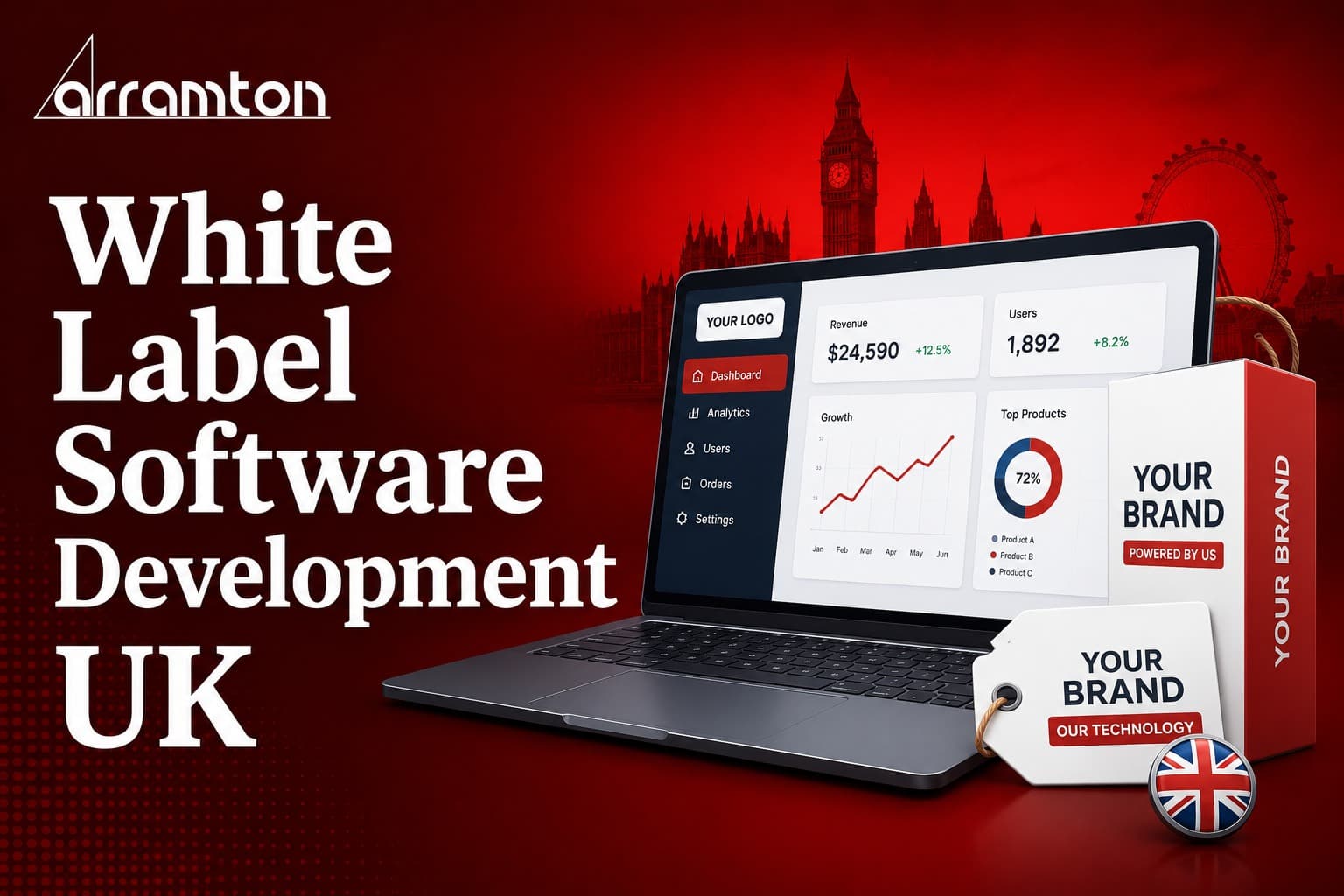
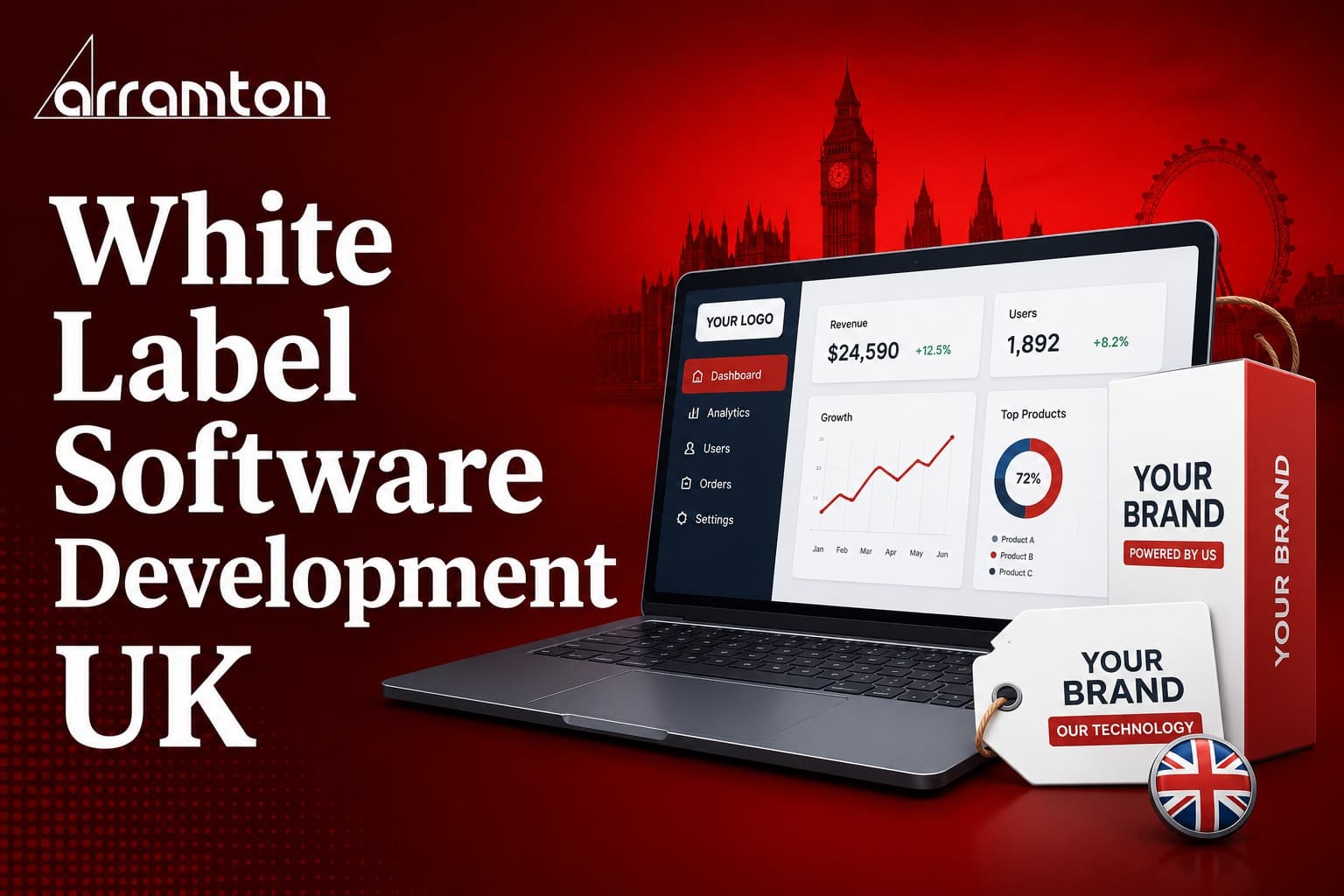
White label software development is essentially a practice where one company (the developer) creates a product or service, and another company (the client) rebrands it as their own. The client company then markets and sells this rebranded product to their end customers. It's a way to quickly enter a new market or expand an existing product line without building everything from scratch.
Think of it like a supermarket selling its own branded tinned beans that were actually manufactured by a larger food producer. The beans are the same, but the label is different. In software, this can apply to anything from a full SaaS platform to a specific feature set within an application.

The UK Market: Opportunities and Pitfalls
The UK market for white label software development is robust, driven by a strong demand for digital solutions across various sectors. Startups and SMEs often look to white label options to accelerate their time-to-market, especially when they lack in-house technical expertise or capital to build from the ground up. However, this demand also attracts providers who may not deliver on their promises.
Many UK-based businesses are seeking to offer specialised services without the significant investment in R&D and development talent. This includes everything from fintech solutions to bespoke e-commerce platforms and even AI-driven customer service tools.
How White Label Software Development in the UK Actually Works
When you engage in white label software development in the UK, the process typically involves several key stages. It's crucial to understand these so you can effectively manage expectations and deliverables.
It’s not just about getting a product; it's about ensuring that product aligns with your brand and your customers' needs.
1. Discovery and Requirements Gathering
This is where you define your needs. What problem does the software need to solve? Who is your target audience? What are the essential features?
A UK-based software development agency experienced in white labelling will work closely with you to document these requirements. This phase is critical for setting the foundation and preventing costly misunderstandings later on.
2. Customisation and Rebranding
This is the core of white labelling. The development partner will adapt their existing codebase or a pre-built template to match your brand identity. This includes UI/UX changes, logo integration, and custom colour schemes.
The level of customisation can vary significantly. Some providers offer superficial changes, while others allow for deeper functional adjustments. It's vital to clarify the scope of 'rebranding' upfront.
3. Development and Testing
The team then implements the agreed-upon customisations and ensures the software functions as intended. Rigorous testing is performed to identify and fix any bugs or performance issues. This stage often involves iterative feedback loops.
At Arramton, we've seen this pattern across over 50 custom projects — the clients who provide clear, iterative feedback during development are the ones who receive a product that truly meets their expectations.
4. Deployment and Launch
Once testing is complete and you're satisfied, the software is deployed. This could be to your own servers or a cloud environment. The provider may offer support during the initial launch phase.
5. Ongoing Support and Maintenance
Most white label agreements include provisions for ongoing support and maintenance. This ensures the software remains up-to-date, secure, and functional. Understanding the SLAs (Service Level Agreements) for this is paramount.

The Hidden Costs and What to Watch For
The biggest mistake businesses make is focusing solely on the initial quoted price. White label software development in the UK comes with potential hidden costs that can inflate your budget significantly. This is where the real cost difference between a good and a bad deal becomes apparent.
UK businesses often underestimate the total cost of ownership by 30% due to not factoring in ongoing customisation and support.
Licensing Fees
Beyond the initial development cost, you might face recurring licensing fees for the software. These can be per-user, per-transaction, or a flat monthly fee. Always clarify the licensing model and terms.
Customisation Limits
Agencies might advertise 'white label' solutions that are only minimally customisable. If your unique selling proposition requires significant feature changes, you could find yourself paying premium rates for modifications to a product not designed for it.
Integration Challenges
If the white label software needs to integrate with your existing systems (CRM, accounting software, etc.), this can incur additional development and testing costs. Ensure your provider has proven integration capabilities.
Support and Maintenance Costs
While often included initially, long-term support and maintenance fees can add up. Understand what is covered under standard maintenance versus what constitutes a billable upgrade or feature request.
Choosing the Right White Label Partner in the UK
Selecting the correct partner is more critical than the software itself. A good white label provider acts as an extension of your team, not just a vendor. Here’s how to approach the selection process:
1. Look Beyond the Pitch
Don’t be swayed by flashy websites or generic promises. Request detailed case studies relevant to your industry and ask to see examples of previously white-labelled projects. Clarity on their development stack and methodologies is also important.
2. Scrutinise the Technology Stack
Understand the underlying technologies. Is it modern, well-supported, and scalable? Using outdated tech stacks like older versions of PHP or proprietary systems can lead to significant future limitations and higher maintenance costs.
3. Assess Their Understanding of Your Business
A good partner will invest time in understanding your business model, your target market, and your strategic goals. If they're just taking orders, they're not the right fit for a true partnership.
A Leeds-based e-commerce founder recently shared that their previous white label provider barely asked about their customer segments, leading to a product that didn't resonate and required costly pivots later.
4. Clarify IP Ownership and Exit Strategy
What happens to the intellectual property? While you own the rebranded product, understanding the terms of the underlying code and your ability to migrate away if needed is essential.

White Label vs. Custom Development: When to Choose What
White label software development isn't always the answer. It’s often a trade-off between speed and uniqueness.
Choose White Label If:
- You need to enter a market rapidly with a proven solution.
- Your differentiation lies primarily in branding and marketing, not core functionality.
- You have limited capital and need to minimise initial development investment.
- Your core business is not software development, and you want to leverage existing solutions.
Choose Custom Development If:
- Your business requires a highly unique solution that provides a competitive edge.
- You need to integrate deeply with proprietary systems or complex workflows.
- You plan to build a core technology asset that will evolve significantly over time.
- You have the time and resources for a longer development cycle and higher upfront investment.
For businesses in the UK needing a truly bespoke solution to stand out, considering a dedicated software development service often yields superior long-term results, albeit with a different investment profile.
Frequently Asked Questions About White Label Software Development UK
How much does white label software development cost in the UK?
Costs can vary wildly, from £10,000 for basic rebranding of a simple tool to well over £100,000 for a complex SaaS platform. The price is driven by the software's complexity, customisation required, and the agency's reputation and location.
Is white label software truly customisable?
The degree of customisation depends entirely on the provider and the product. Some offer superficial branding changes, while others allow for deeper feature modification. Always define your customisation needs in detail beforehand.
What are the benefits of white label software for a UK business?
The primary benefits are speed to market, reduced development costs, and the ability to offer new services or products without extensive in-house R&D. It allows UK businesses to focus on their core competencies while leveraging specialised software.
Can I get the source code for white label software?
Typically, you do not own the source code of the original white label product, only the customised version. You are licensing the use of the software under your brand. Clarify this in your contract.
Conclusion
The decision to pursue white label software development versus building from scratch is significant. While white labelling offers a faster route to market, it's essential to partner with a reputable UK provider who understands your vision and can deliver a quality product that won't hinder your growth. A poorly chosen white label solution can be a liability, costing more in the long run through customer dissatisfaction and technical limitations.
If you're evaluating partners for building software under your brand or need a truly unique solution, Arramton builds custom software solutions for UK and US companies, ensuring you get a product that truly drives your business forward.